 shefis.com – Trending News & Sharp Headlines
 shefis.com – Trending News & Sharp Headlines
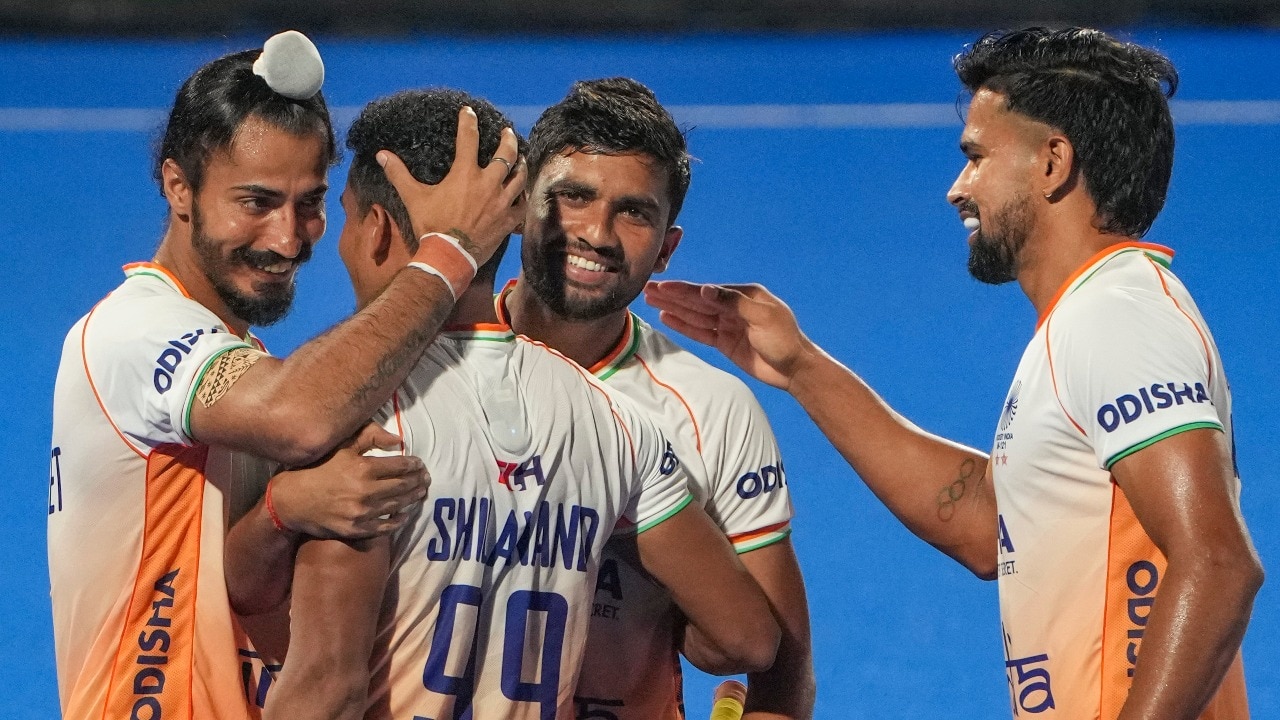
Just when doubts were surfacing and words like "out of form" were being used for certain players and passages of play at the Asia Cup in Rajgir, the Indian men's hockey team constructed a dizzying world of flair, style, and finesse. They demolished China 7-0 to advance to the final, a seminal piece of work spread over four quarters and the better part of sixty minutes. Their dominance was such that China, a team that had made India struggle for a 3-2 victory in the group stages, hardly saw the ball or the inside of India’s striking circle.
Many would point to China’s world ranking of 22 against India's seven, and the fact that India are Olympic bronze and Asian Games gold medallists. Yet, in a scenario where the top five teams were running each other close, this was a significant victory. It was a win where the team shed its doubts and a good amount of rustiness, playing with a panache not seen in recent months.
China was surprised—not just by the ferocity of the attacks, but by India’s control. India had China in a stranglehold. Gone was the one-dimensional play that India usually got stuck in. With fans cheering their every move, India played with velvet feet; the ball fizzing around, enjoying itself, as Indian sticks turned and swirled, the touches giving the game a surreal feeling. 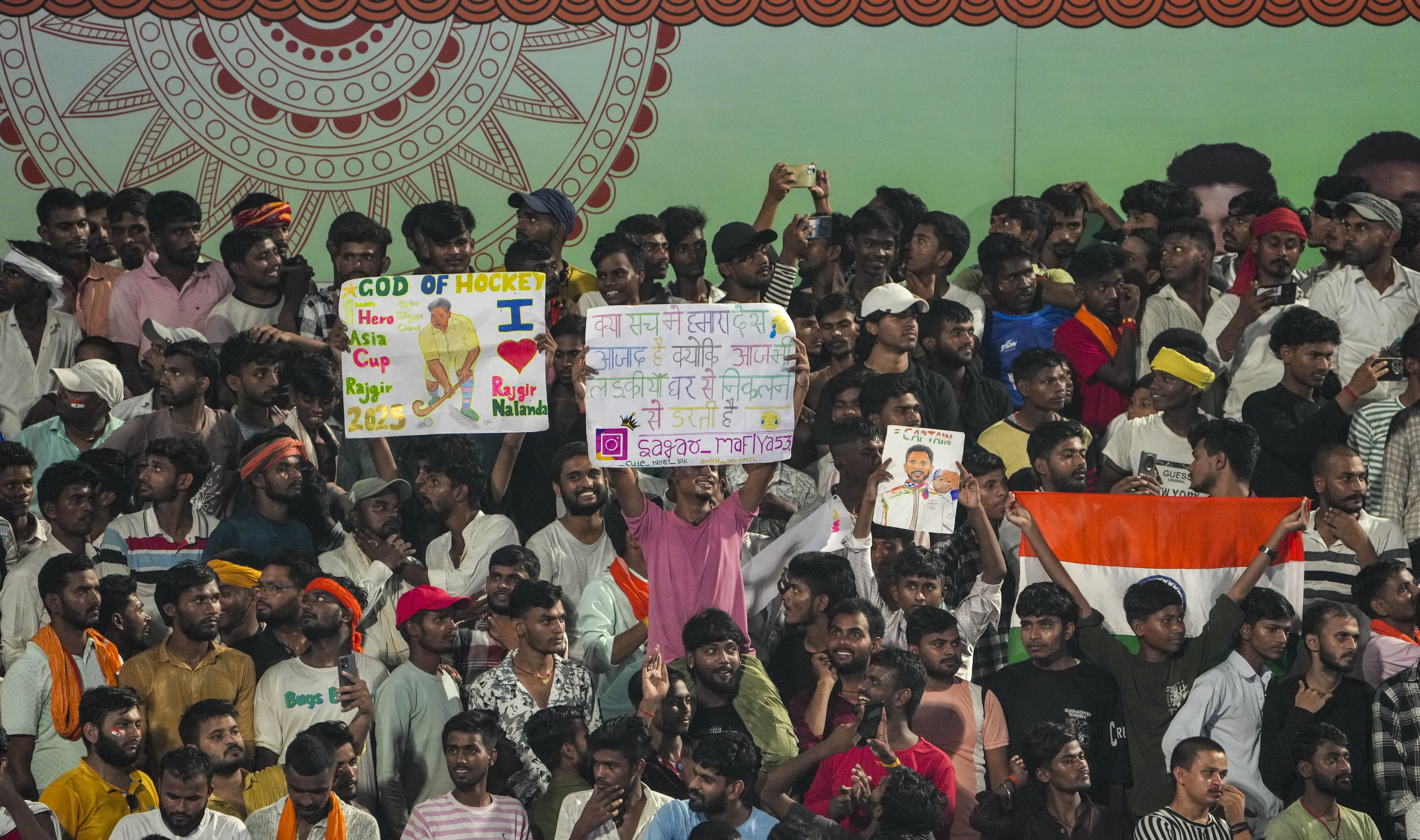
If China believed India would turn up and play the usual game—struggling at the back, misfiring in the middle, and missing chances upfront—their coaches need to take the blame for that. Craig Fulton, on the other hand, reshuffled the deck and came out with a whole new deal. Unlike the game against Malaysia, Abhishek was allowed to move into the striking circle, and Shilanand Lakra played a supporting role from the middle and top of the circle. The midfield opened outwards and not so much through the middle. The back line moved up from the flanks, held, and rotated, avoiding mis-passes that could have turned into counterattacks. What China prepared for didn’t happen. Neither did their bench have any ideas that could have stopped the free-fall, cutting off the lines that fed the Indian forwards constantly. Modern hockey may be about player intelligence and on-field flexibility, but it is also heavily dependent on what the bench dictates. China’s biggest failure was a lack of ideas from their coaching minds.
Newer articles
Older articles

 IRCTC's AskDisha 2.0: AI Chatbot Simplifies Train Ticket Booking, Refunds, and Information Access
 Google Maps Boosts Navigation Accuracy with Enhanced Orientation API Update
 Shreyas Iyer Named Captain of India A for Series Against Australia A
 US Open: Venus Williams offers update on future after age-defying doubles run ends
 Sophie Molineux Returns from Injury, Named in Australia's Women's World Cup Squad
 TSMC Regains Top 10 Global Value Ranking Amid AI Boom
 Chess Sensation: 9-Year-Old Indian Prodigy Holds Magnus Carlsen to Draw in Online Tournament
 Curran Returns to England's T20I Squad, Duckett Given Rest
 Rishabh Pant's Fearless Batting Revolutionizes Test Cricket: Greg Chappell Draws Adam Gilchrist Comparison
 Mandhana's Maiden T20I Century Fueled by Yadav's Pep Talk; India Dominates England